Clerks occupied an ambiguous position in the colonial middle class and left almost no writing of their own, except when a disciplinary charge forced them to explain themselves. This essay reads one such case from the Kozhikode Regional Archives to ask what a colonial clerk’s dismissal file can, and cannot, tell us about his life.
Read moreTag: history
Beyond the ‘Temple-like’ Narrative: A Different (Hi)storytelling for Kerala’s Religious Architecture
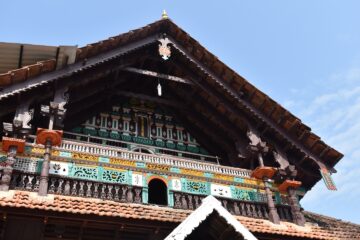
What does it mean to call a mosque, church, or synagogue in Kerala “temple-like”? In this essay, Percy Arfeen-Wegner challenges this familiar framing. She explores Kerala’s religious architecture as a shared and contested world shaped by people living in the same landscape, working with the same ecology and climate, while giving different meanings to the world they built together.
Read more
Kochi-Muziris Biennale: The Reimagining of Colonial Temporalities
Jubin Abraham explores how the Kochi-Muziris Biennale reimagines Kochi’s colonial edifices as living archives of memory, where contemporary artistic interventions recover suppressed histories and open new possibilities for decolonial remembrance.
Read more
Redefining the ‘Mappila Revolts’: Abbas Panakkal’s Musaliar King and the Resurrection of a Silenced Past
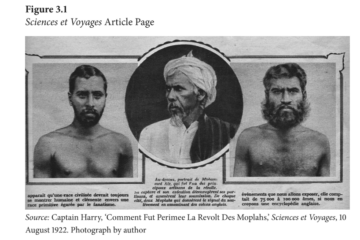
The Mappila rebellion of 1921 has been the subject of much debate and analysis in the historiography of Malabar. Colonial accounts at the time and popular discourse thereafter portrayed the rebellion solely as an instance of religious fanaticism. Fazal Rahman reviews Abbas Panakkal’s 2024 book, Musaliar King, which meticulously examines primary data to counter this image, showing instead that the rebellion was a milestone in anti-colonial resistance in India.
Read more
Art as an Archive of Memory: Devotion, History, and Resistance in the Irupathettaam Onam of Ochira
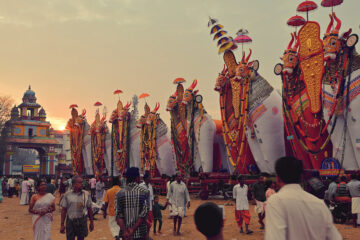
Ahnas offers a visual and experiential entry into the spectacular festival of Irupathettaam Onam of Ochira. At a moment when dislocated histories and reinterpreted myths are increasingly mobilized for divisive political ends, the article finds value in staying with the ‘feeling’ of belongingness and participation that a festival can generate and an art can nurture.
Read more
നിയമവും വിശ്വാസവും കൂടിച്ചേരുമ്പോൾ: ശബരിമല സംഘർഷങ്ങളുടെ ഒരു പുനർവായന
ശബരിമലയെപ്പറ്റി ദീർഘകാലമായി നടന്നുകൊണ്ടിരിക്കുന്ന സാമൂഹിക-രാഷ്ട്രീയ ചർച്ചകളിൽ പുതിയ ഒരേടെഴുതപ്പെടുന്ന ഈ വേളയിൽ, നിയമവിദഗ്ധയും ആന്ത്രോപോളജിസ്റ്റുമായ ദീപ ദാസ് അസെവെദോയുമായി അല നടത്തിയ അഭിമുഖം വീണ്ടും പ്രസക്തമാകുന്നു.
Read more
നിലതെറ്റിയ നർത്തകികൾ: മോഹിനിയാട്ടത്തിന്റെ ഭൂതവും വർത്തമാനവും
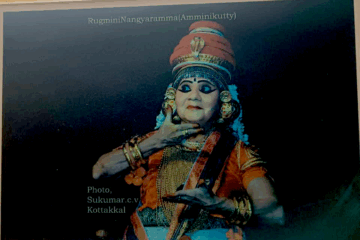
ജീവിച്ചിരിക്കുന്ന പരമ്പാരാഗത മോഹിനിയാട്ട നർത്തകിമാരുടെ ഓർമ്മകളും അവർ നേരിട്ട വിവേചനവും കൈചൂണ്ടുന്നത് സങ്കീർണ്ണമായ ഒരു ചരിത്രത്തിലേക്കാണ്. ഒരു കലാരൂപം എന്നതിനുപരി, നർത്തകിമാരുടെ സാമൂഹിക–ജാതിപദവികളുടെ പശ്ചാത്തലത്തിൽ മനസ്സിലാക്കേണ്ടതാണ് ഈ ചരിത്രം എന്ന് അമിത്ത് എഴുതുന്നു.
Read more
Al Mawāhibul Jalīyah: A Gateway to Islam in Kerala
Through a close reading of the religious text Al Mawāhibul Jalīyah, Mohammed Afsal traces the ways in which the poet and orator Thazhava Usthad wove the language and experiences of everyday life into the construction of the Kerala Muslim self.
Read more
Tracking the Patterns: A Missionary’s Climate Observations
In this richly layered piece, Sneha Mary Mathew explores how missionary memoirs evolved into an unintentional climate record, capturing the rhythms of monsoon, daily weather, and life in colonial Travancore.
Read more
The Subaltern’s Radical Voice: Appachan’s Way
Naveen Prasad Alex writes about Poikayil Appachan’s radical vision of caste abolition, memory, and unity—revealing the revolutionary potential of PRDS in reshaping Kerala’s subaltern history.
Read more