From satirical humour to violent campus clashes, Malayalam cinema has engaged with youth dissent in various ways to capture what[…]
Read more
A Kerala Studies Blog

From satirical humour to violent campus clashes, Malayalam cinema has engaged with youth dissent in various ways to capture what[…]
Read more
From separate tumblers to inaccessible dining tables, Silpa Anirudhan examines how Malayalam cinema archives the everyday life of caste in Kerala’s domestic spaces. By reading culinary practices across films from different decades, she reveals how untouchability survives not as spectacle but as an ordinary, intimate, and enduring social order.
Read more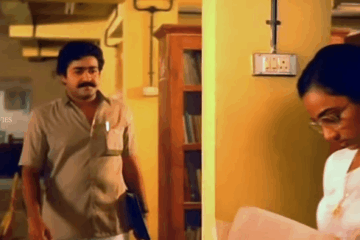
മലയാളത്തിലെ കാല്പനിക സൃഷ്ടികളിൽ എന്ത് സ്ഥാനമാണ് ഗ്രന്ധശാലകൾക്കുള്ളത്? ഈ പ്രതിനിധാനങ്ങൾ നമ്മുടെ സമൂഹത്തെപ്പറ്റി എന്താണ് നമ്മോടു പറയുന്നത്? വ്യക്തിപരമായ വായനാ-ദൃശ്യാനുഭവങ്ങളുടെ വെളിച്ചത്തിലും, ഒരു ലൈബ്രറി സയൻസ് വിദഗ്ദ്ധനെന്ന രീതിയിലും ഈ ചോദ്യങ്ങളെ വിമർശനാത്മകമായി നോക്കികാണുകയാണ് മുഹമ്മദ് മുനവ്വർ.
Read more
Offering new possibilities in reading film soundscapes, Namita assembles an illustrative archive to discuss how Malayalam cinema employs Carnatic music to “legitimise” bodies otherwise deemed subaltern.
Read more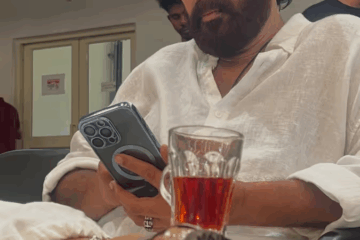
What does the public perception and sensationalisation of Mammootty’s ageless appearance tell us about masculinity in today’s Kerala? Geethu Thomas writes about male actors’ negotiation of age in Kerala’s film industry.
Read more
B. Abhijith traces how recent Malayalam cinema reconfigures the family beyond generational hierarchies, turning it into a site of negotiation within a changing social world. Through films like Kumbalangi Nights, Falimy, and Pranaya Vilasam, he shows how shifting parenthood, individuality, and digital self-expression shape new middle-class affective collectives.
Read more
Greeshma C. P explores the evolution of the “photographer-hero” in Malayalam cinema, tracing how the camera symbolically shapes modern Malayali masculinity; from morally upright observers to tragic figures, these characters reveal the tensions between modernity, patriarchy, and cinematic identity.
Read more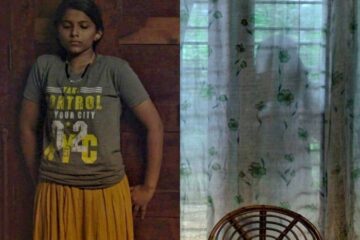
Saranya Narayanan examines how Don Palathara’s Family (2023) unmasks the unsettling truth lurking behind social respectability, and uses the predator-prey metaphor to expose the true danger—human, not animal—that hides in plain sight.
Read more
Tracing how sound cultures and sonic media technologies—from gramophones to audio cassettes—shaped Kerala’s film culture in the twentieth century, Alex Abraham explores how informal infrastructures enabled new listening practices, expanded cinema beyond the theatre, and influenced the rise of genres like mimicry and comedy in Malayalam cinema.
Read more
What is common between chunk, vibe, scene contra, and eda mone? Akhila Krishan dives deep into the world of new coinages and expressions in Malayalam, explaining how it is more than just a linguistic change.
Read more