
What does the public perception and sensationalisation of Mammootty’s ageless appearance tell us about masculinity in today’s Kerala? Geethu Thomas writes about male actors’ negotiation of age in Kerala’s film industry.
Geethu Thomas
On September 30 this year, Malayalam superstar Mammootty shared a photograph of himself on the social media platform, Instagram, in a light brown shirt and white pants, standing next to his Toyota Land Cruiser. Accompanying the image was the caption ‘The camera is calling…’, marking his return to the cinema after a hiatus of almost eight months due to health concerns. The post quickly went viral and was celebrated across the film fraternity, by fans and netizens at large. The social media post added to the cultural discourse of ‘successful ageing’ surrounding Mammootty as someone who defies the concept of ageing and associated decline, reaffirming his position as an enduring figure of vitality on the silver screen. While ageing and appearance in celebrity culture are often discussed in relation to women, it is equally compelling to examine how these pressures operate for the male stars. Unlike women who are frequently sidelined or shifted to maternal or character roles as they age, men in Indian cinema are expected to continually project their masculinity, vigour, and a fine body to stay relevant. In this framework, a critical analysis of an actor like Mammootty who entered the best phase of his career in his late life is worth a look.
By leading an active cinematic life, appearing much younger than his biological age, and being fondly referred to by his fans as ‘age in reverse gear’, Mammootty promotes an ‘individualistic self-expressive lifestyle’ ideal for a consumerist society like Kerala (Featherstone and Hepworth 2005, 30). The media construction of Mammootty’s body as a product of his rigorous diet and routine, powered by discipline and sheer perseverance, has also aided this image. As a result, in the popular Malayali psyche, Mammootty is positioned as the ideal representation of positive and successful ageing and challenges the convention of old age as a phase of decline (Featherstone and Hepworth 2005; Rowe and Kahn 1997).
However, his public appeal extends beyond the traditional definition of successful ageing that demands ‘avoidance of disease, maintenance of high physical and cognitive function, and sustained engagement in social and productive activities’ (Rowe and Kahn 439). In Kerala, Mammootty is perceived as a successful aged star, a status also mediated by his class, caste, and gender identities in reel and real life. For Malayali film audiences, Mammooty has been and continues to be a powerful and respectable male figure of status and control. His persona alludes to a familiar masculinity that is attractive to both men and women, as observed by Osella and Osella (2009, 177).
Even historically, Malayalam cinema has consistently presented heroes who are ‘fair-complexioned and visibly belonging to the hegemonic caste categories’, even though the narratives themselves might depict the struggles of the common man or the marginalised (Gopinath 2021, 152). Mammootty, in this context, exemplifies this archetype in every sense. To be more precise, as Jenny Rowena observes, many of the roles that propelled Mammootty to stardom embodied the figure of an ideal upper-caste Hindu hypermasculine man. In his films of the 1980s, he appeared as a sophisticated, urban hero in modern clothes, a recurring trope reinforced by his skin colour, height, build and deep voice. Such roles of a loving yet domineering husband, balancing tenderness with macho assertiveness, resonated strongly with middle-class and dominant-caste sensibilities (2011, 100-102).
Later, Mammootty’s career underwent a shift in the 1990s, where the liberalisation of India’s economy generally saw a time of sea change. During this time, with women entering the workforce in large numbers, women’s rights discourses became more mainstream, leading to a shift in the gender dynamics in the country. As a result, paranoid narratives emerged in an attempt to reassert gender roles. Malayalam cinema started representing heroes with heightened masculinity, vigour, and dominance. During this time, Mammootty’s screen persona shifted from the figure of the family man to that of a macho, masculine star with films like Sainyam (1993), The King (1995), Hitler (1996), Valyettan (2000) and many more. On the other hand, he simultaneously played layered and intense roles, particularly visible in films like Adharvam (1989), Vidheyan (1994), Ponthan Mada (1994), and Bhoothakkannadi (1997), which further consolidated and elevated both his stardom and his masculine image. The actor thus established a standard of handsomeness and masculinity that became a cultural benchmark. This ideal grew so influential that it permeated everyday discourse among Malayali audiences, where men perceived as attractive were often teased, ‘Do you think you are Mammootty or what?’
Therefore, the decline of Mammootty’s body is symbolic of the decline of the Malayali masculine ideal. The audience associates Mammootty’s figure with that of a ‘masterful patriarch’ in the family, who, despite his age, remains powerful, masculine, and desirable. This image is carefully sustained both by the actor himself and the aged roles he chooses to play on screen. When portraying characters closer to his biological age, they are usually commanding (Bhramayugam, 2024), stylish (Bheeshmaparvam, 2022), and desirable (Abraham Ozler, 2024). This framing of successful ageing, where he is celebrated as an aged yet vital figure, extends the caste-gender codes Rowena traced in the earlier films of the 80s and 90s. The obvious graded hierarchy that exists on screen between a young and aged hero, where the older hero’s age, experience and traction is proportional to his ‘diegetic centrality’—his centrality to the narrative world of the film—and viewers’ acceptance (Shibu 2020, 124), has also helped an actor like Mammootty to maintain an approved ‘graceful persona’ in his late life.
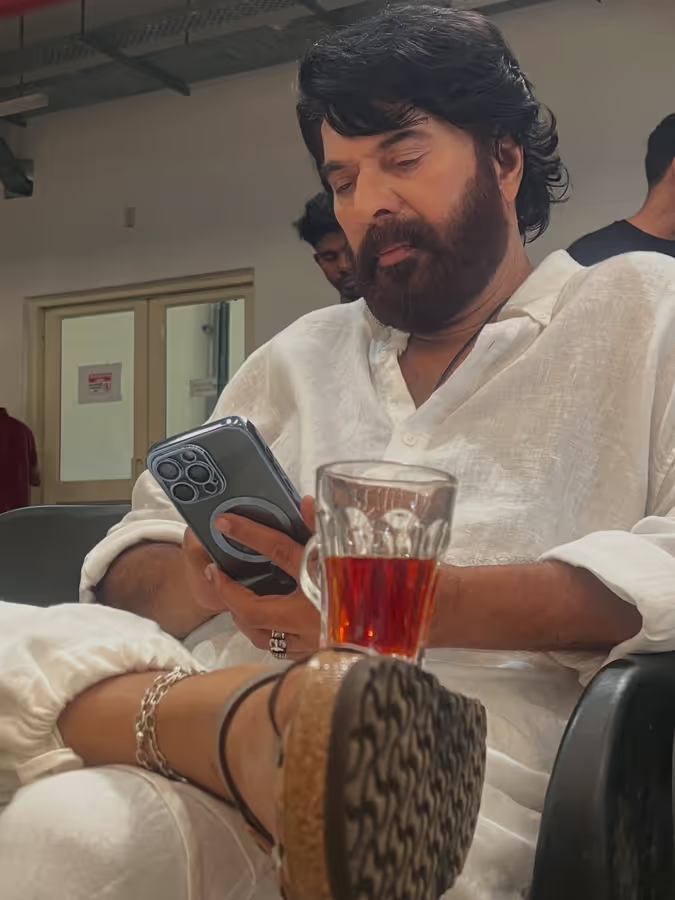
Apart from the films, this carefully curated image of Mammootty as a successfully aged star is propagated through digital spaces. We often find netizens praising the actor for his style, swag, and, more importantly, his youthful appearance, which is regarded as unusual for his age. It further leads to discussions about the actor’s chiselled body and how updated he is in keeping up with the trends in technology, fashion, and film, surpassing contemporaries who are half his age. This image is reinforced through mediated narratives that circulate across diverse cultural platforms. For instance, YouTube videos of foreigners guessing the age of the actor and capturing their shock or amusement as the real age is revealed have become a popular means of entertainment for his fans nowadays. Another example is the actor’s gym selfie, posted during the lockdown, which was widely celebrated for reflecting a body-conscious, gracefully ageing figure. Notably, it is not always the actor himself who endorses this image; those around him often post and share pictures, actively promoting his appearance. A recent example is a photo of Mammootty balancing a teacup on his ankle, posted by one of his co-stars, which went viral. Here, the visible markers of social capital/consumerism related to his body, such as the simple white outfit, the anklet, and his Birkenstock chappals, drew widespread attention and soon became a fashion statement.
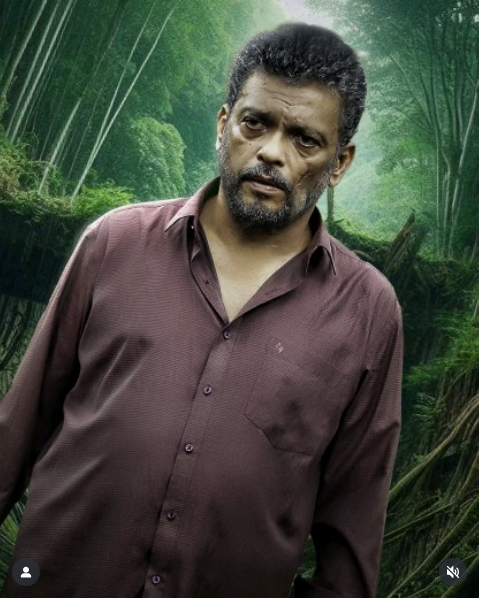
That being said, in Mammootty’s case, successful ageing is at times reduced to the idea of ‘being young’ alone. Apart from his choice of films or active engagement in the film industry, it is his youthful appearance that significantly contributes to the kind of stardom he enjoys today. There is an emphasis on the discourse of his body in his public appearances, interviews and the characters he plays, which enables a ‘youthful gaze’ and desirability. In contrast, consider actors like Jagadish, who enjoyed considerable stardom in Malayalam cinema during the 1990s. Today, he continues to lead an active career and is appreciated for his energy and enthusiasm. His recent performances in the films Falimy (2023), Kishkindha Kaandam (2024), and Marco (2024) have redefined his long-standing image as a comedy actor, earning him critical acclaim. He is praised for pushing his boundaries as an actor. At seventy, Jagadish also maintains a fit physique. However, it is interesting that the actor is rarely celebrated for his appearance and is not typically positioned as a ‘successfully ageing’ figure. His stardom operates differently from that of Mammootty’s, based on artistic reinvention rather than aesthetic appeal.
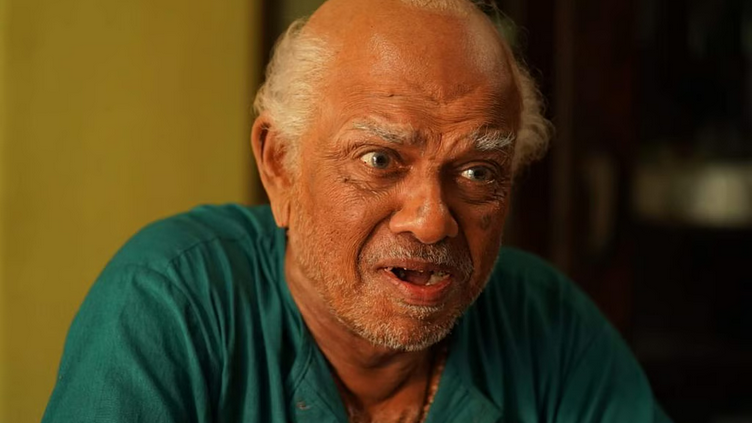
Similar is the perception concerning actors like Vijayaraghavan (73 years old), whose filmography is heavily overlooked within the industry. Though the actor has played central roles in numerous films, he continues to be sidelined as a character/supporting actor. This marginalisation can be attributed, in part, to the actor’s earlier roles. A notable example of this is his recent recognition. Although he was in a lead role in Pookkalam, he was awarded the Kerala State Film Award and the National Film Award for Best Character Actor, rather than the Best Actor. While there are no formal restrictions stipulating that the Best Actor must go to a protagonist, this contrast becomes more evident when compared to the case of Mammootty, who received the Best Actor (Kerala State) award for Nanpakal Nerathu Mayakam in the previous year (2023). The differential treatment of both actors of the same biological age highlights how stardom in Indian cinema continues to be closely aligned with dominant masculine traits, particularly those that privilege a youthful appearance.
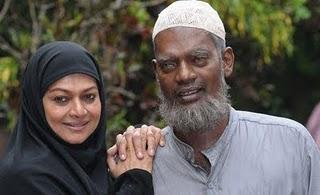
Moreover, actors including Jagadish, Vijayaraghavan, Indrans, Salim Kumar, and Harishree Asokan, who gained visibility in the so-called ‘comic films’ or ‘laughter films’ of the 1990s, embodied a form of fragile masculinity that stood in sharp contrast to the hypermasculine, upper-class and dominant-caste figures often portrayed by stars like Mammootty during the same period (Rowena 2010, 126-7). As these comic actors aged, they were compelled to reinvent themselves as character actors, foregrounding and even amplifying the bodily and emotional markers of ageing to align with the aesthetics of social realism. On the other hand, for Mammootty, ageing is stylised and re-scripted as an extension of his star persona, preserving his aura of charisma and authority. This divergence underscores the hierarchical ways in which ageing is navigated by actors in different star categories within Malayalam cinema.
This image of ‘successful ageing’ is, in a way, slippery, as the actor has been accused of repeated anti-ageing cosmetic procedures, which contradicts the image of diet and discipline. Moreover, the actor’s progressive image has faltered at times, such as when he became embroiled in a controversy over a remark on director Jude Anthany Joseph’s baldness. Though the actor is constantly compared with his contemporary Mohanlal, Mohanlal has faced serious criticism for his body type and alleged anti-ageing cosmetic procedures, which many claim have impacted his acting and appearance. When Mohanlal’s body is regarded as flexible in relation to his biological age, Mammootty’s body is often referred to as younger than his biological age. At times, we see Mammootty himself endorsing his image as a symbol of health, elitism, and consumerist ideals. A notable instance is when he corrected an actress who referred to him as chakkara (jaggery), responding, ‘Chakkara is black; you should call me sugar’. Moreover, several actors, while recounting their experiences with Mammootty, have mentioned how he often advises them to maintain physical fitness and a polished appearance necessary for actors, asserting his association with discipline and visual appeal as a star.
The actor’s celebrated image sadly leads to unrealistic age standards. In an industry where actors are designated a shelf-life based on their age, Mammooty’s image of a ‘youthful aged figure’ overshadows the emotional maturity, gravitas, and lived experience in performances exhibited by other actors of his age. It marginalises or, in a way, invalidates the legacy and efforts of other aged actors who either choose to retire or who do not ‘preserve’ themselves physically. In short, as noted earlier, beyond his talent and well-curated filmography, Mammootty’s stardom reflects the cultural imaginaries of the Malayali film audience who consider him a cultural asset and an icon of regional masculinity. The actor’s peculiar alignment with ideals of bodily discipline, continuous self-fashioning, and contemporary consumerist practices, as well as traditional masculinity, enables him to resonate with middle-class aspirations and the evolving preferences of the neoliberal lifestyle. In fact, Mammootty’s age is what precisely makes the achievement both impressive and sensational, a recent example being the Kerala State Film Award for the Best Actor.
References
- Featherstone, Mike, and Mike Hepworth. 2005. ‘Images of Positive Aging: A Case Study of Retirement Choice Magazine’. Images of Aging: Cultural Representations of Later Life, edited by Mike Featherstone and Andrew Wernick, 27–46. Routledge.
- Gopinath, Swapna. 2021. ‘Hypermasculine Images and the Hindu Identity in Malayalam Cinema’. Culture and Politics of Populist Masculinities, edited by Outi Hakola et al., 149–65. Lexington Books.
- Osella, Caroline, and Filippo Osella. 2006. Men And Masculinities in South India. Anthem Press.
- Rowe, John W., and Robert L. Kahn. 1997. ‘Successful Ageing’. The Gerontologist 37, no. 4, 433–40. doi:10.1093/geront/37.4.433.
- Rowena, Jenny. 2011. Themmadikalum Thampurakkanmarum. Subject and Language Press.
- Rowena, Jenny. 2010. “The ‘Laughter-Films’ and the Reconfiguration of Maculinities.” Women in Malayalam Cinema: Naturalising Gender Hierarchies, edited by Meena T. Pillai, 126-152. Orient Blackswan.
- Shibu, B. 2020. ‘Actor’s Age and the Production of Multiple Masculinities in the Context of Malayalam Cinema’. Govt. Arts & Science College Research Journal 10, no.1, 118-41. https://admin.gasckkd.ac.in/public/uploads/journal/01K7EST4ZDRK6TQHKKGYYYG636.pdf
About the Author: Geethu Thomas currently works as an Assistant Professor in the Department of English at Mount Carmel College, Autonomous, Bengaluru. She recently completed her PhD in English Studies from CHRIST (Deemed to be University), Bengaluru. Her areas of interest are film studies, age studies, cultural gerontology, and place studies.


Geethu’s article presents a thoughtful and layered engagement with Mammootty’s evolving star image, carefully placing his ageing body within the cultural and industrial realities of Malayalam cinema. Geethu’s writing reflects a deep understanding of his long film journey, tracing how discipline, masculinity, and stardom intersect without losing sight of its inherent tensions. What makes the article compelling is its balanced tone, honouring Mammootty’s legacy while opening space for meaningful reflection.
Thank you so much for this generous reading. I am truly glad that the piece resonated with you.